
 admin
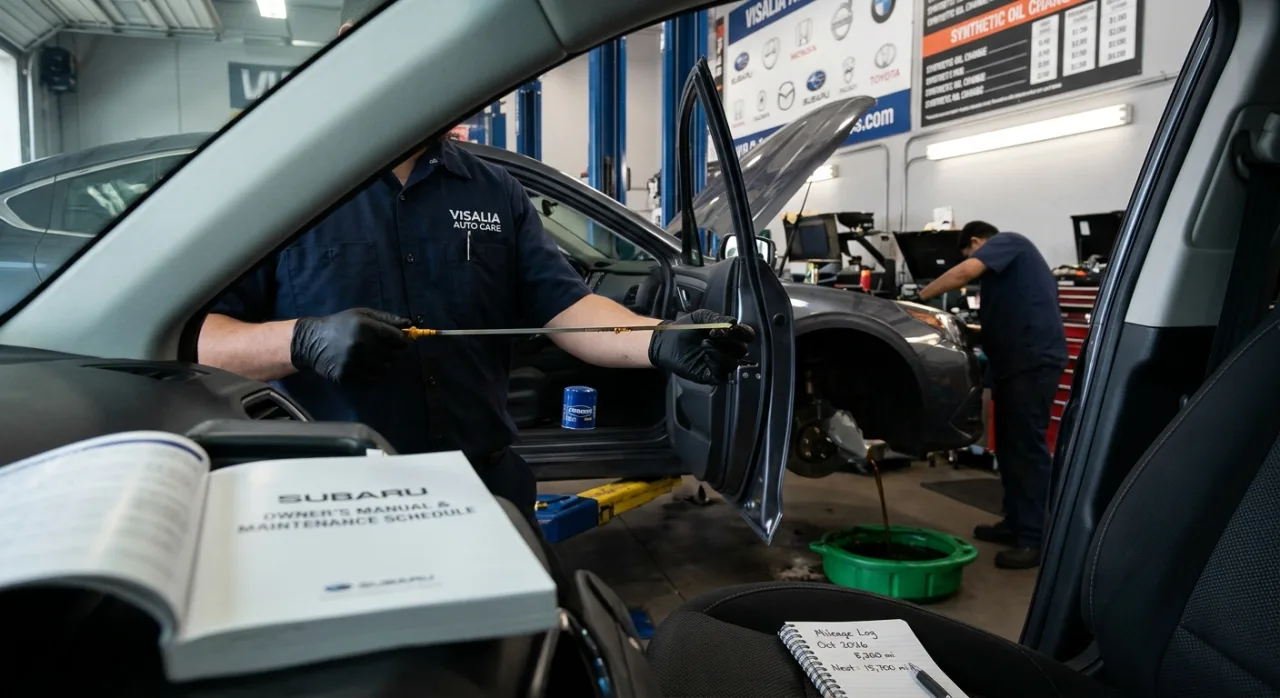 The 3,000-mile oil change rule is completely outdated. Most drivers absorbed this number from service stickers, parent advice, or quick-lube shops looking for repeat business. Following it strictly on a modern car wastes money and wastes perfectly good oil.
Your owner’s manual knows better than any service sticker or internet forum. For most vehicles built in the last decade running on synthetic oil, standard service intervals range from 7,500 to 10,000 miles. Some newer engines stretch even further. However, your manual acts as a baseline: how and where you drive ultimately dictates when your engine needs fresh oil.
What Your Owner’s Manual Is Really Telling You
Flip to the maintenance section of your owner’s manual, and you will find two distinct schedules: Normal and Severe.
Most drivers quote the normal schedule, but everyday driving conditions frequently push vehicles straight into the severe category.
                    ┌─────────────────────────┐
                    │    DRIVING CONDITIONS   │
                    └────────────┬────────────┘
                                 │
                 ┌───────────────┴───────────────┐
                 ▼                               ▼
       ┌──────────────────┐            ┌──────────────────┐
       │  Normal Schedule │            │  Severe Schedule │
       ├──────────────────┤            ├──────────────────┤
       │ 7,500 - 10,000 mi│            │ 3,000 - 5,000 mi │
       └─────────┬────────┘            └─────────┬────────┘
                 │                               │
                 ▼                               ▼
       • High-speed highway            • Short trips (< 5 miles)
       • Mild temperatures             • Stop-and-go traffic
       • Light cargo loads             • Extreme heat or cold
                                       • Frequent idling/towing
Common Severe Driving Conditions
-
Short Trips: Driving under five miles prevents the engine from reaching full operating temperature. This leaves unburned fuel and condensation inside the oil pan, thinning the lubricant and accelerating engine wear.
-
Stop-and-Go Traffic: Constant idling and crawling through traffic creates high heat without sufficient front-grille airflow to cool the engine bay.
-
Extreme Temperatures: Triple-digit summer heat accelerates chemical breakdown in motor oil, while sub-freezing winters strain cold-start lubrication.
-
Towing and Heavy Loads: Carrying heavy cargo or pulling trailers places maximum thermal stress on internal engine components.
If your routine consists of highway cruising in a mild climate, stick to the upper mileage limits. If your commute includes daily traffic or short city errands, cut that mileage interval in half.
Why Modern Engines Still Need Regular Oil Changes
Synthetic oils and modern engines feature tighter manufacturing tolerances and superior thermal resistance compared to older powertrains. Using the correct manufacturer-recommended viscosity grade maximizes fuel economy and protects internal engine surfaces.
Motor oil performs four vital functions:
-
Lubricates moving parts to prevent metal-to-metal contact.
-
Cools critical components by transferring heat away from the combustion chamber.
-
Cleans internal surfaces by capturing dirt, soot, and carbon deposits.
-
Seals micro-gaps between piston rings and cylinder walls.
Over time, chemical additives deplete and contaminants saturate the oil. Dark oil on a dipstick does not mean your oil is ruined. Darkening simply proves the oil is doing its job by suspending carbon particulates. Trust your mileage log and time elapsed over dipstick color.
Conventional vs. Synthetic Oil Comparison
Using the correct oil type directly impacts engine longevity. Replacing synthetic oil with conventional oil to cut costs causes premature wear and risks voiding vehicle warranties.
| Feature | Conventional Oil | Synthetic Blend | Full Synthetic Oil |
| Base Material | Refined Crude Oil | Mix of Crude & Synthetic | Chemically Synthesized |
| Thermal Breakdown Protection | Moderate | Good | Maximum |
| Typical Change Interval | 3,000 – 5,000 Miles | 5,000 – 7,500 Miles | 7,500 – 10,000+ Miles |
| Best For | Older vehicles (Pre-2000) | Mid-mileage trucks/SUVs | Turbocharged & Modern Engines |
| Cold Weather Performance | Slower oil flow on start | Moderate flow | Instant cold-start protection |
Crucial Note on Time: Mileage is not the only clock. Motor oil oxidizes over time regardless of mileage. If you drive only 2,000 miles a year, change your oil at least once every 12 months. Always discard old oil at a certified recycling facility to prevent environmental contamination.
Warning Signs You Have Waited Too Long
Postponing routine maintenance creates expensive long-term repair bills. Inspect your engine immediately if you notice any of these symptoms:
-
Ticking or Knocking Sounds: Indicates metal surfaces are contacting each other due to inadequate oil pressure or severe oil thinning.
-
Blue-Gray Exhaust Smoke: Signals that engine oil is slipping past worn seals and burning inside the combustion chamber.
-
Burning Oil Smell: Indicates oil leaks dripping directly onto hot engine components like exhaust manifolds.
-
Flickering Dashboard Lights: Low oil pressure or low oil level warnings require immediate engine shutoff.
Addressing a ticking sound with fresh oil today prevents an entire engine teardown next month.
How to Choose the Right Service Shop
When taking your car in for routine maintenance, verify that your service provider hits these standards:
-
Correct Oil Grade: Confirm the shop uses the exact viscosity (e.g., 0W-20, 5W-30) and specification required in your owner’s manual.
-
New Oil Filter: Ensure the oil filter is replaced during every single service never every other service.
-
Multi-Point Inspection: A reliable shop checks brake fluid, coolant, power steering fluid, and tire pressure while your car is on the hoist.
Whether you prefer dealership technicians who specialize in your specific make, or an independent mechanic with transparent pricing, consistency remains key. Record every service date and odometer reading in your glovebox notebook, set a reminder for 12 months or your targeted mileage interval, and keep your engine running smoothly for hundreds of thousands of miles.