
 Nolan Brooks
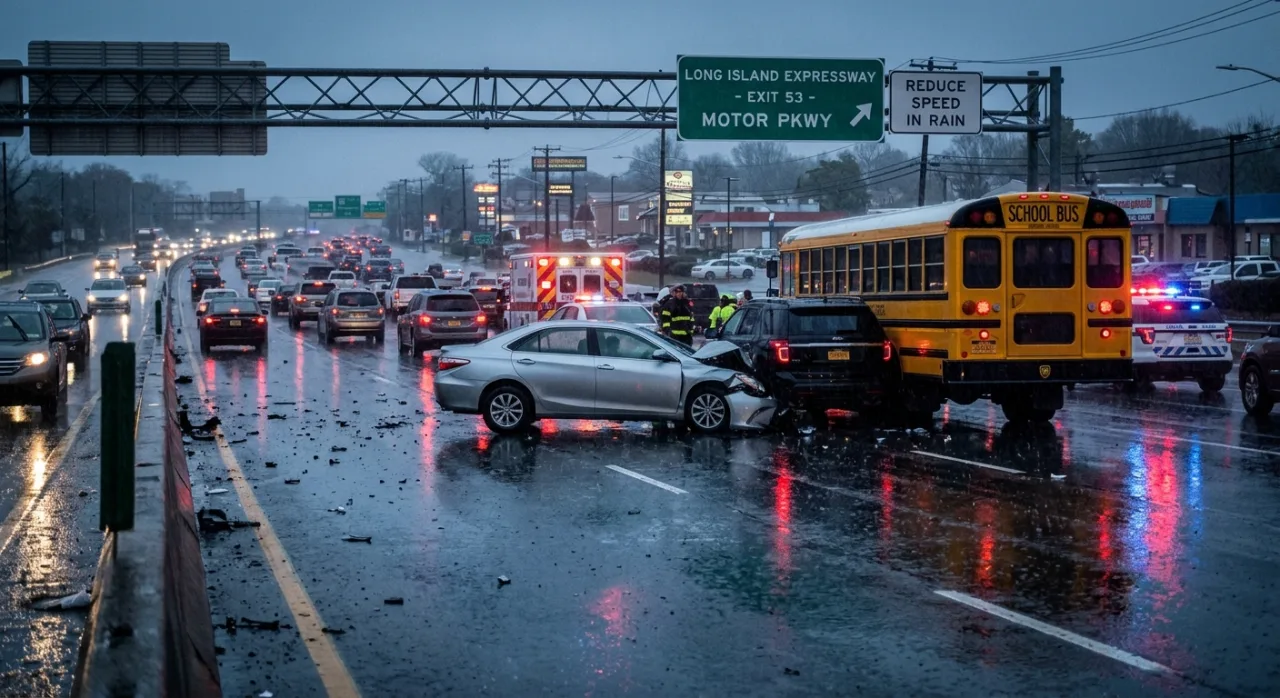 Vehicle accidents rarely happen due to a single isolated mistake. More often, they are the result of multiple hazard factors compounding at once.
Speed, weather conditions, and following distance interact constantly on the road. Rain reduces tire traction, high speed increases total stopping distance, and tailgating removes the buffer needed to avoid sudden hazards. When these three elements converge especially on congested routes like Long Island highways the likelihood of a catastrophic multi-vehicle collision increases dramatically.
The Physics of Speed and Stopping Distance
Speed directly dictates how much time and space a driver has to respond to unexpected road hazards. Driving at higher speeds creates two major safety risks:
-
Extended Reaction and Braking Distance: A vehicle traveling at high speeds covers significantly more ground during the critical second it takes for a driver to perceive a threat and hit the brakes.
-
Increased Impact Force: Kinetic energy increases exponentially with speed. Higher velocity leads to greater structural damage to vehicles, severe physical injury to occupants, and higher fatality rates.
While posted speed limits set the legal ceiling, drivers must adjust their velocity downward depending on real-time traffic flow, visibility, and pavement conditions.
How Adverse Weather Compromises Vehicle Control
Bad weather alters the physical relationship between a vehicle’s tires and the road surface, while also limiting visibility.
       [ Visibility Drops ]  --> Less Time to Recognize Hazards
                 +
       [ Traction Drops ]   --> Longer Distance Needed to Stop
                 =
    HIGH RISK OF MULTI-VEHICLE COLLISION
Key Weather Hazards & Their Impact
| Weather Condition | Primary Driver Hazard | Recommended Adjustment |
| Rain & Wet Pavement | Hydroplaning; reduced friction; hidden potholes | Lower speed; avoid sudden braking or sharp steering |
| Fog & Heavy Mist | Severe visibility reduction; hidden stopped traffic | Use low-beam headlights; increase following distance |
| Ice & Snow | Loss of steering control; unpredictable braking distances | Double or triple following distance; avoid sudden movements |
Beyond surface friction, bad weather conceals everyday hazards. Deep puddles can mask severe potholes, road glare can obscure lane markings, and sudden squalls can make vehicles ahead seem to disappear entirely.
Following Distance: Establishing Your Safety Margin
Tailgating strips away a driver’s reaction buffer. Maintaining an appropriate following distance ensures you have time to detect a hazard, decide on an evasive maneuver, and bring the vehicle to a complete stop.
The Standard Rules of Space Management
-
The 3-Second Rule (Dry Conditions): Pick a fixed object on the roadside (such as a sign or overpass). When the car ahead passes it, count seconds. If you reach the object before hitting “three,” you are following too closely.
-
Expanded Interval (Adverse Conditions): Double or triple this margin during rain, fog, nighttime driving, heavy traffic, or when trailing large commercial trucks and buses that block your forward vision.
Key Safety Tip: Never rely solely on the brake lights of the vehicle in front of you. By the time brake lights illuminate, the driver ahead has already begun decelerating.
The Compound Effect: When Multi-Hazard Risks Combine
When bad weather, high speed, and close following distances happen simultaneously, the margins for error drop to zero.
  [ Driving Too Fast ]
        + [ On Wet / Icy Roads ]
        + [ Following Too Closely ]
        ========================================
        = High-Risk Environment for Severe Crashes
These combined factors frequently result in:
-
Chain-Reaction Pileups: Where one braking event leads to multiple rear-end collisions.
-
Lane-Departure Accidents: Where a vehicle slides across lanes or off the road after losing traction.
-
Intersection T-Bone Impacts: Caused by an inability to stop before a traffic control signal in low-friction conditions.
Proactive Steps to Prevent Weather and Speed Collisions
Drivers can significantly reduce crash risks by adopting several proactive habits before and during their trips:
-
Pre-Trip Maintenance: Regularly check tire tread depth and inflation levels. Clear all snow, ice, and condensation from windows and lights before driving.
-
Buffer Time Management: Check weather forecasts in advance and allow extra travel time to avoid the impulse to rush or tailgate.
-
Focused Driving: Keep both hands on the wheel and eliminate phone distractions entirely while navigating severe weather.
-
Knowing When to Pull Over: If visibility drops to unsafe levels, safely pull completely off the roadway into a designated parking area or lot. Turn on hazard lights to remain visible to other vehicles.
What to Do Following a Serious Accident
When an accident occurs despite taking precautions, the immediate steps you take are critical for your health and legal protection:
-
Seek Immediate Medical Attention: Ensure all injuries are evaluated and documented by medical professionals immediately.
-
Document the Scene: Take detailed photographs of vehicle positions, road surface conditions, weather factors, and visible injuries if it is safe to do so.
-
Preserve Critical Records: Collect repair estimates, police report numbers, and witness contact information.
-
Consult Experienced Legal Counsel: Complex accidents involving severe speed, multiple vehicles, or poor weather frequently raise complicated questions regarding legal fault and insurance coverage. Working with an experienced Long Island car accident attorney such as the legal team at Friedman & Simon—helps protect your rights, establish evidence, and manage claim deadlines effectively.