
 Maya Collins
Gold has spent the year doing something it rarely does: making headlines week after week. The metal has set record after record, driven by an unusual coalition of buyers. Central banks are purchasing at the fastest pace in decades, investors are hedging against political uncertainty, and jewellery demand across Asia remains strong despite prices that would once have emptied showrooms. The data arrive with a lag, so today’s decisions are always made with yesterday’s picture.
Historically, precious metals have served as a barometer for economic stress and shifting monetary dynamics. When traditional fiat currencies experience volatility or geopolitical tensions rise across international borders, both institutional and retail capital tends to seek the relative safety of tangible assets. Understanding this behavior requires looking at the broader macroeconomic environment, where inflation expectations, real interest rates, and currency valuations interact to influence market sentiment.
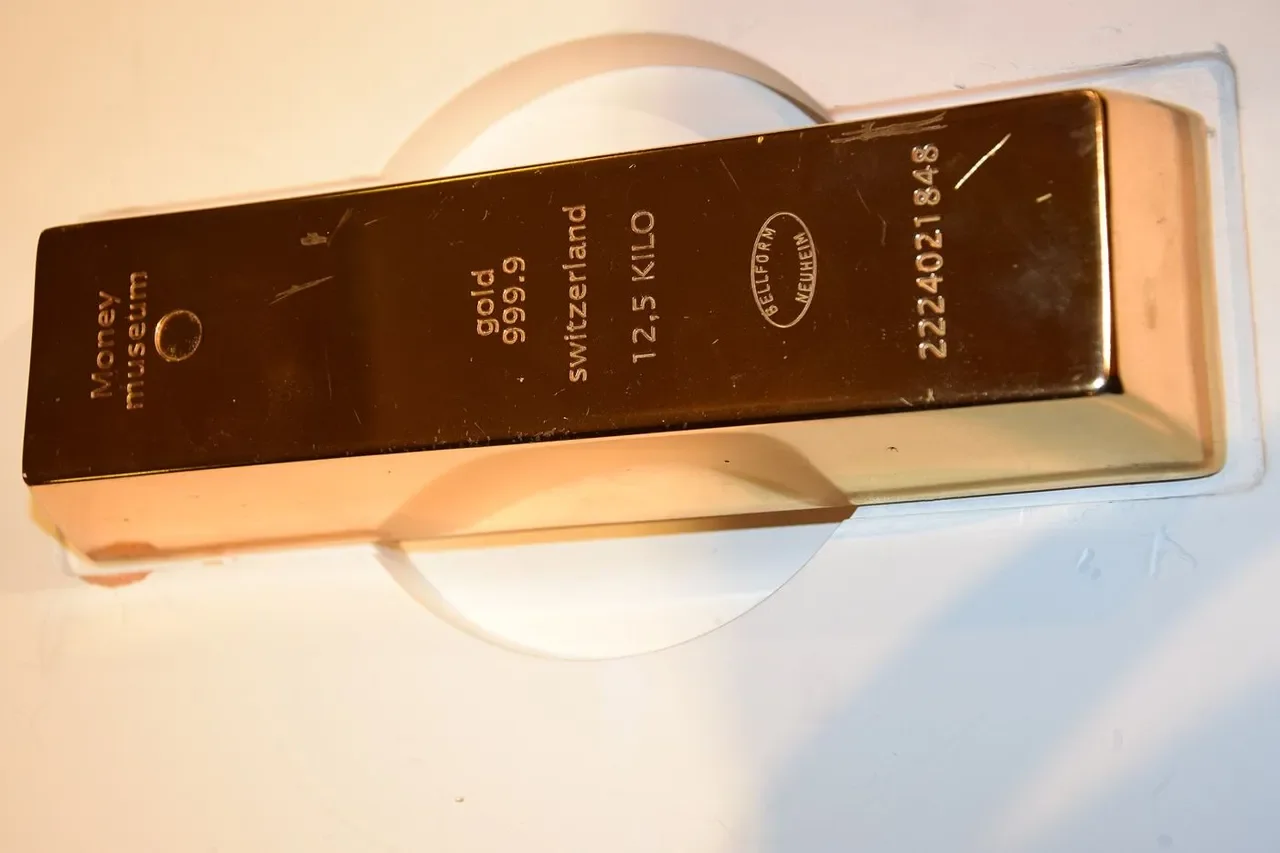
Why central banks are buying
For reserve managers, gold’s appeal is that it belongs to no one. It cannot be frozen like foreign currency reserves, devalued by another country’s inflation, or defaulted on. Purchases by central banks in emerging economies have been the rally’s foundation, providing steady demand that does not flinch at high prices. That structural buying has changed how traders think about dips: corrections keep finding a floor. Consumer groups advise checking the small print of any product bought in a hurry. Reporting and analysis from sources such as World Gold Council track the same trend. Regional differences are large, and national averages conceal as much as they reveal.
Central banks often diversify their sovereign reserves away from dominant foreign currencies to mitigate long-term geopolitical and economic risks. Gold acts as a neutral reserve asset that requires no counterparty, making it uniquely resilient during periods of systemic financial stress or shifting global alliances. This institutional accumulation creates a baseline level of support that differs significantly from speculative retail trading cycles.
The retail rush and its risks
Small investors have joined through funds, coins and digital gold products, and first-time buyers should hear the warnings clearly. Gold pays no interest or dividend, its price can fall sharply when real interest rates rise or the dollar strengthens, and dealers’ spreads on small coins eat returns. Financial advisers suggest treating gold as insurance within a diversified portfolio, a small allocation held for bad times, rather than a bet meant to make anyone rich quickly. Regional differences are large, and national averages conceal as much as they reveal. Advisers stress that individual circumstances matter more than any general forecast. You can follow related developments in our finance coverage.
For individual retail participants, entering the commodities market involves distinct logistical and financial considerations. Unlike equities or fixed-income instruments, physical bullion requires secure storage and insurance, which adds to the total cost of ownership. Furthermore, retail buyers must navigate varying dealer premiums, liquidity constraints when liquidating physical assets, and tax implications that differ substantially by jurisdiction.
What could end the rally
Historians of the metal point out that every great gold run eventually met its reversal: in the 1980s through high interest rates, in 2013 through investor exhaustion. Today’s rally would be vulnerable to a durable peace dividend, a strong dollar, or central banks simply finishing their rebalancing. Until one of those arrives, the market’s centre of gravity keeps shifting higher, and sellers keep being surprised. Advisers stress that individual circumstances matter more than any general forecast. For now, the sensible stance is informed attention: follow the verified findings, ignore the loudest claims, and revisit the question as better information lands.
Macroeconomic catalysts that typically challenge gold valuations include aggressive monetary tightening cycles by major central banks, sustained increases in bond yields, and periods of prolonged economic expansion where risk appetite favours growth-oriented assets. When the opportunity cost of holding a non-yielding asset rises due to attractive returns in other financial instruments, capital often rotates out of precious metals.
There is a practical lesson in all of this for readers deciding what to do today. Start with the verified facts, be wary of anyone promising certainty, and prefer reversible steps while the evidence is still developing. Circumstances differ by country, income and personal situation, so general guidance should always be weighed against your own context before you act on it in any significant or lasting way.