
 Elliot Reed
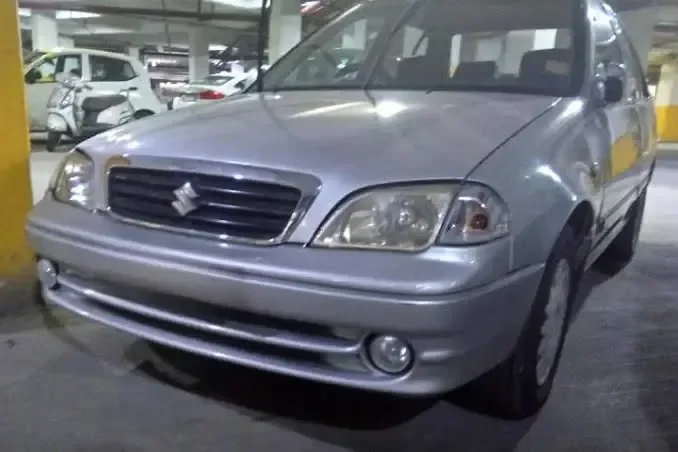
A car doesn’t become worthless the moment it stops running. Even vehicles with serious mechanical problems, collision damage, or years of wear can contain useful components and recyclable materials. Many owners discover that selling an unwanted vehicle is more practical than paying for another expensive repair. Getting an offer through automotive recycling networks allows owners to consider selling their vehicles as-is, without spending money to make them roadworthy again.
Connection Between Selling an Old Vehicle and Buying
The connection between selling an old vehicle and buying affordable replacement parts is closer than it might seem. Salvage yards collect vehicles that have reached the end of their practical driving lives, then make usable components available for other repairs. This process helps extend the life of existing vehicles while reducing the need to manufacture every replacement part from new materials.
Deciding when to stop repairing a vehicle can be difficult, especially when it has been reliable for years. However, major mechanical failures can quickly change the financial picture.
A failed transmission, damaged engine, or extensive electrical problem may cost more to repair than the vehicle is worth. Even when repairs are technically possible, the owner must consider whether additional problems are likely to follow. Spending thousands on one repair becomes harder to justify when the suspension, cooling system, and other major components are also showing their age.
Selling a vehicle for salvage offers another option. Its value depends on factors such as age, condition, demand for replacement parts, and recoverable materials. A car with a damaged engine may still have a usable transmission, doors, wheels, and interior components. Those remaining parts help explain why vehicles that cannot be driven can still attract buyers.
Once a vehicle enters a salvage yard, its useful life may continue in a different form. Instead of transporting passengers, it can become a source of components that help keep other vehicles operating.
Many repair projects require only one specific component rather than an entirely new assembly. A damaged side mirror, malfunctioning window regulator, or broken interior trim piece may be replaceable with a used part. Self-service salvage yards allow customers to locate donor vehicles and remove suitable components using their own tools. This approach gives buyers more direct involvement in the repair process while offering an alternative to purchasing new parts.
Finding a Compatible Component Still Requires Careful Research
Finding a compatible component still requires careful research. Two vehicles may appear identical but have different electrical connections, mounting points, or mechanical specifications. Model year, engine configuration, trim level, and part numbers can all affect compatibility. Checking these details before removing a component helps prevent wasted time and unnecessary purchases.
Replacement parts represent a significant portion of many repair bills. For older vehicles, the price of a new component can sometimes make an otherwise manageable repair financially impractical.
Used components can help control those expenses, particularly for body panels, interior accessories, brackets, and other parts that remain functional despite cosmetic wear. A replacement door handle or headlight housing recovered from another vehicle may serve the same purpose as a new component at a lower cost.
However, price should never be the only consideration. Buyers need to inspect parts for corrosion, cracks, damaged connectors, and excessive wear. Components that affect braking, steering, or occupant protection require particular care and professional guidance. It is also worth checking exchange policies and understanding whether a used component can be tested before installation.