
 Maya Collins
The difference between P0011 and P0700 is easy to miss on a basic code list, and expensive if you treat them as the same kind of fault. P0011 points to a specific engine-timing condition. P0700 is only a flag that the transmission has a fault stored somewhere else. Both need a structured test order before any part is replaced.
What each code is actually telling you
P0011 sets when actual intake cam position on Bank 1 runs ahead of the target set by the powertrain control module, or PCM. Variable valve timing uses engine oil pressure, directed by an oil control valve, to move the cam phaser. When oil flow or phaser movement is off, the cam does not land where the PCM expects. Common causes include low oil, the wrong oil viscosity, sludge or debris blocking the oil-control-valve screen, a sticking or failed valve or a fault in its circuit, and a worn cam phaser or stretched timing chain.
P0700 is a request from the transmission control module, or TCM, for the PCM to switch on the malfunction indicator lamp. It does not describe the fault itself. The real information sits in the TCM, which may hold codes for a shift solenoid, a pressure-control solenoid, a speed sensor, a range sensor, fluid temperature, or a ratio error. A generic code reader that only talks to the PCM will show P0700 and nothing else. Treating that pointer as a failed transmission leads to unnecessary rebuilds and valve-body replacements. Use a scan tool that reads the TCM so you can see the specific stored code and the data behind it.
| P0011 | P0700 | |
|---|---|---|
| What it names | Intake cam timing over-advanced on Bank 1 | A transmission fault stored in the TCM, not named here |
| Set by | The PCM | The TCM, reported through the PCM |
| First check | Oil level, condition, and viscosity | The actual TCM codes and fluid condition |
| Typical symptoms | Rough idle, low power, possible stall | Harsh or delayed shifts, or limp mode |
A test order that stops parts being replaced too soon
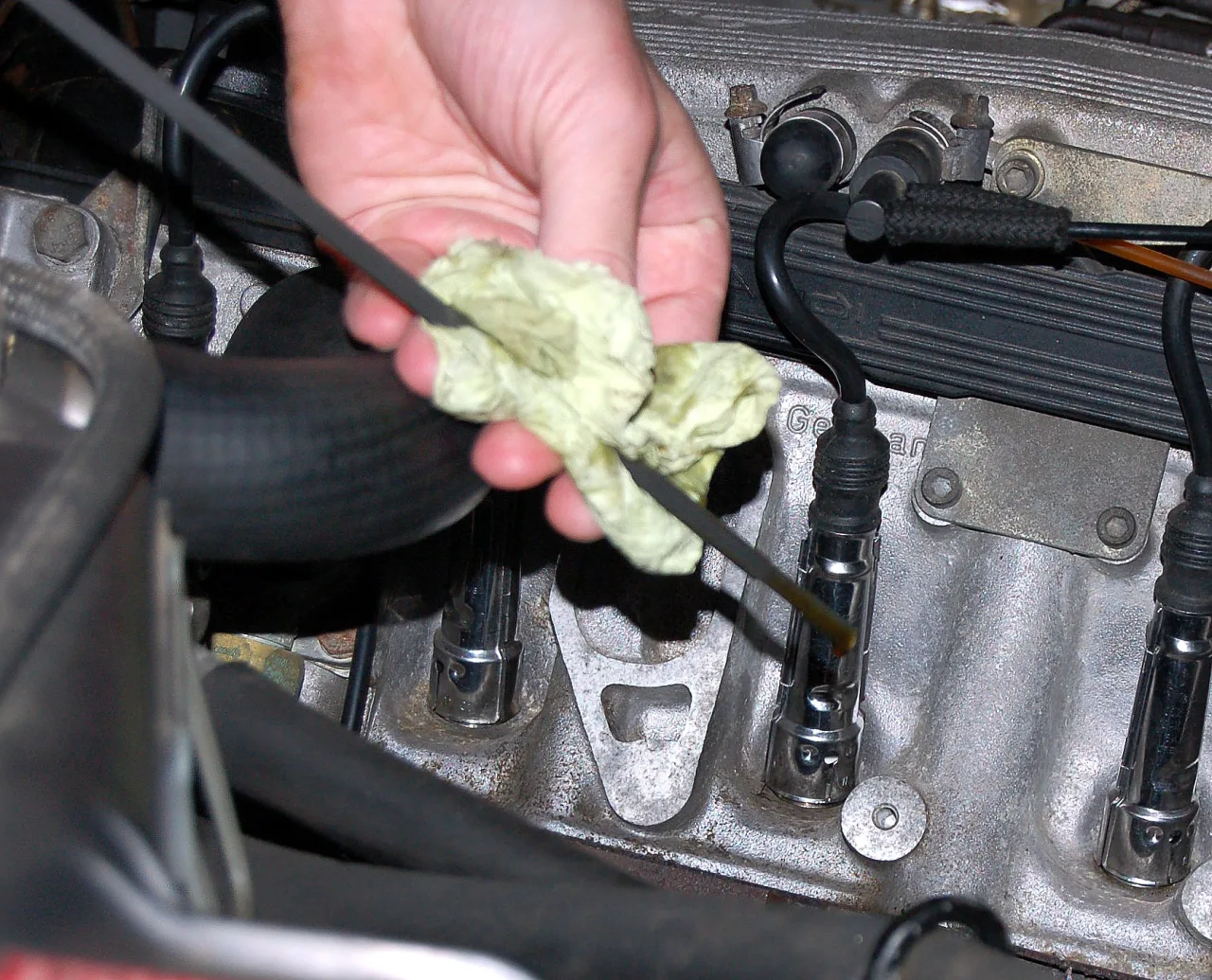
For P0011, start at the dipstick and work toward the timing components. Most of these faults are found before the timing cover comes off. Check the oil level, condition, and viscosity against the engine requirement. Command the oil control valve with a scan tool and watch whether actual cam position follows the command. Remove and inspect the valve and any oil screen for debris. Test the valve resistance and its control circuit using service information, and check cam-to-crank correlation before condemning the phaser or the chain.
A basic code reader is still useful for finding P0011 and noticing that P0700 is present, but it is not enough to estimate a transmission repair. If the tool cannot talk to the TCM, stop and use one that can, or retrieve the codes by the method in the service information, before anyone quotes a rebuild. The pointer code is doing its job when it sends you to the right module. It is a problem only when it is treated as a diagnosis.
For P0700, start by finding out what the TCM actually stored, because the rest of the plan depends on that code. Check the fluid level and condition using the method in the service information, since many units have no dipstick. Inspect connectors and harnesses at the transmission and TCM for damage or fluid intrusion. Check battery voltage and grounds, because low voltage can set codes in more than one module. Then test the specific solenoid, sensor, or circuit named in the TCM code.
Most comebacks on these codes start with a part replaced before the fault was confirmed. The oil control valve and its screen are faster to inspect than a timing chain, and they explain a large share of P0011 cases. On the transmission side, freeze-frame data and the specific TCM code tell you whether you are looking at a solenoid, a sensor, a fluid problem, or a voltage issue. Recording that information before any code is cleared is what lets a later technician — or the same technician on a return visit — see what the vehicle was doing when the lamp came on.
If both codes appear on the same visit, they are usually separate faults. Engine timing problems can affect drivability and shift feel, so diagnose and fix the P0011 first, then recheck the transmission data. If system voltage is low or a shared ground is corroded, confirm charging and grounds early. Do not install a cam phaser or timing-chain kit for P0011 without checking the oil and the oil control valve first. Do not simply top up the oil and clear P0011 without asking why the level was low or the oil was sludged. Never quote a transmission rebuild from P0700 alone, and do not clear TCM codes before recording them and their freeze-frame data. Service advisers can help by explaining that P0700 is a pointer, not a verdict, and that P0011 often starts with an oil-related check. That keeps the estimate tied to test results rather than to a guess from a basic code list.