
 Nolan Brooks
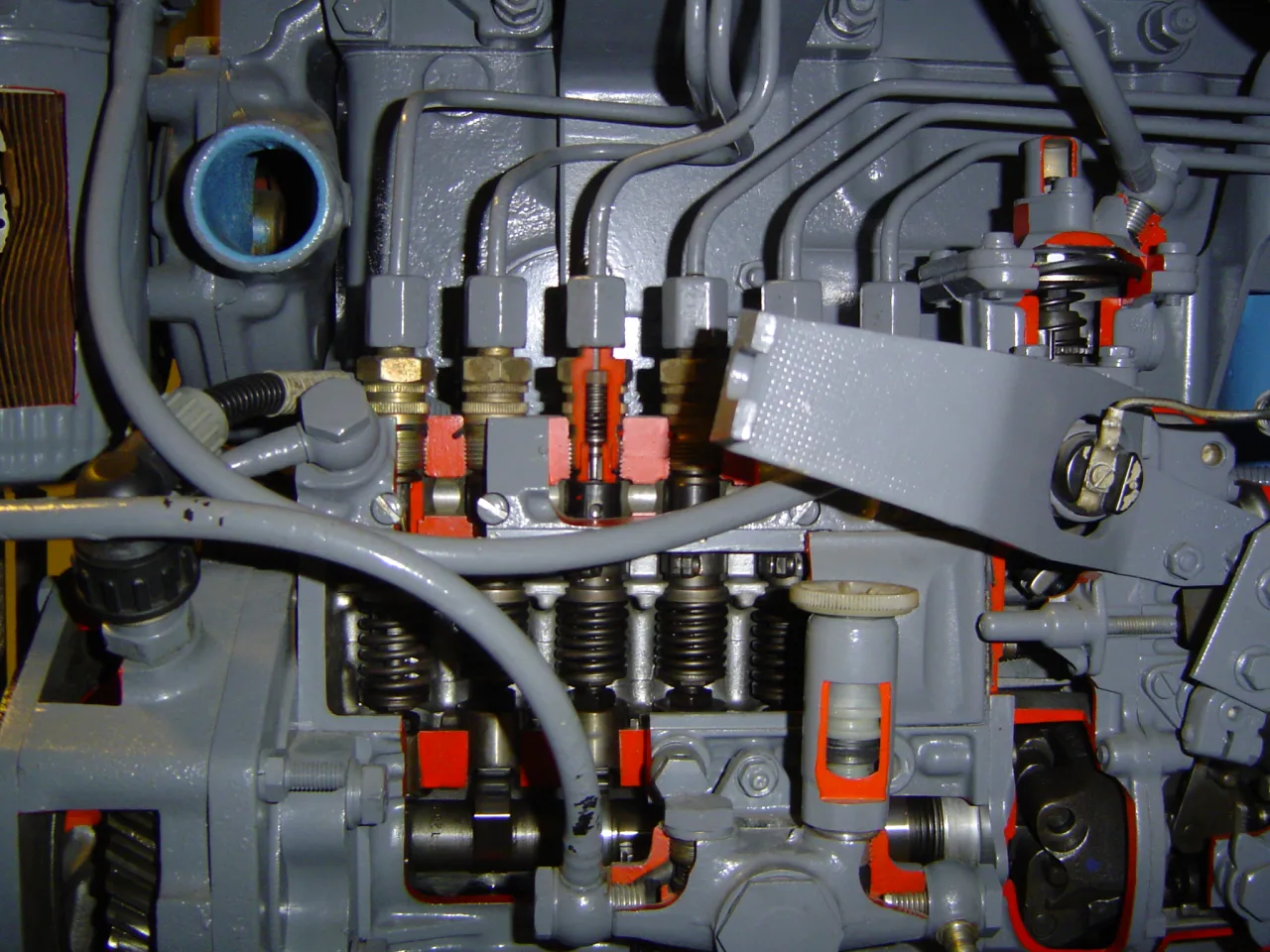
A diesel engine almost never fails without warning. It stutters, smokes, hesitates on a cold morning, or drops power on a grade, and the driver writes it off as bad fuel or cold weather. Weeks later the truck is on a hook. The fuel injection pump and the turbocharger are the two components most often blamed and most often misdiagnosed, Their symptoms overlap, and both are expensive enough that a wrong guess is costly. This is a practical guide to what those two parts actually do, how they show wear, and what order to test things in so you are not replacing a $1,000-class part to fix a $20 problem.
What the Injection Pump Does, and the Symptoms Worth Taking Seriously
A diesel has no spark. Combustion timing is set entirely by when fuel enters the cylinder, and fuel atomization depends on pressure. The injection pump is therefore both the clock and the pressure source for the engine. On older inline and rotary pumps, mechanical plungers and barrels generate injection pressure and a governor controls fuel delivery. On common-rail systems, a high-pressure pump feeds a shared rail, and electronically controlled injectors decide timing and quantity while the engine control module manages rail pressure through a regulator.
That difference matters when you diagnose. A mechanical pump that is failing usually shows mechanical symptoms: hard starting, slow recovery after cranking, a loss of top-end power, dark smoke, or a shift in injection timing that makes the engine sound harsher. A common-rail pump that is failing tends to show rail-pressure codes, long crank times, derate events, and sometimes metal contamination in the fuel filter. The last of these is the symptom you ignore at your peril, because debris from a dying high-pressure pump travels downstream into every injector. Other signs worth taking seriously include hard starting that gets worse week over week, especially on warm starts; white smoke at idle that clears under load; black smoke with poor power from over-fueling or bad atomization; fuel in the engine oil, or an oil level that rises without coolant loss; rail pressure that cannot hold during a hard acceleration; glitter or fine metal in the filter media; and fuel leaking from the pump shaft seal or around the governor housing.
Test From the Tank Forward Before You Condemn the Pump
Plenty of pumps are condemned for sins committed by a cheap filter. Work from the tank forward. First, check fuel supply and restriction. Put a gauge on the inlet side of the lift pump and another after the filter, and measure restriction at idle and at full load. A collapsed suction hose, a plugged tank screen, and a sticking check valve all produce symptoms that look like a tired pump. Second, check for air in the system. A clear line section between the filter and the pump will show bubbles. Air causes rough running, hard starting, and, over time, cavitation damage inside the pump. Third, evaluate return flow. Excess return volume on a common-rail system points at leaking injectors rather than the high-pressure pump,
Fourth, run injector balance and contribution checks. Scan data on electronic engines gives you per-cylinder fuel correction. A single outlier is an injector; all cylinders drifting in the same direction suggests a supply or pump problem. Fifth, compare commanded versus actual rail pressure while cranking and under load. If actual tracks commanded under load, the pump is doing its job. Sixth, confirm compression and mechanical health. Worn rings and a tired valvetrain mimic fuel problems, so make sure the engine can use the fuel before you blame the fuel system. Injectors fail far more often than pumps and are routinely replaced in sets without anyone establishing why the originals died. Nozzle erosion, coking, and seat wear all have identifiable causes, and if the cause is dirty fuel or water, new injectors will fail the same way.
Do Not Blame the Turbo First, and Record What You Find
Turbos get blamed for low power when the actual fault is upstream in the fuel system or downstream in blocked exhaust aftertreatment. Before condemning one, check boost against specification at full load, inspect the charge-air cooler and clamps for leaks, and look at drive pressure. A turbo that is slow to spool but mechanically sound usually has a wastegate, actuator, or variable-geometry vane problem, not a bearing problem. Physical checks take a few minutes. A little radial shaft play is normal, but axial play should be minimal, and the wheel must never touch the housing. Nicked compressor blades mean something went through the intake, and the source must be found. Oil in the compressor housing is usually crankcase pressure or a restricted drain line, not a failed seal. Carbon on the turbine side and sticking vanes are common on engines that do short, light-duty cycles. When a turbo does need replacing, a center housing rotating assembly is often the sensible middle path, because the housings are usually fine and the rotating assembly is what wears.
Once diagnosis points at the pump, the next decision is new, rebuilt, or used, and that choice depends on the asset. A long-haul truck earning revenue daily is a different case from a standby generator that runs forty hours a year or a farm tractor with a short seasonal window. Rebuilt pumps are the workhorse choice for most fleets. Used pumps make sense for older equipment where a new assembly no longer exists or the machine’s remaining service life is limited. Part-number accuracy matters in all three cases, because superseded numbers and engine-specific calibrations are where most wrong-part returns come from. Cut open a fuel filter every time you change one, look for water and metal, log inlet restriction twice a year, and note cranking times. Those records are cheap to keep and hard to argue with later. Fuel systems fail gradually, and the pump almost always files a complaint before it resigns. The only question is whether anyone reads it.