
 Elliot Reed
In logistics and transportation, the safe movement of hazardous substances remains a critical priority. Intermediate Bulk Containers have emerged as an industry standard, providing a robust solution tailored to uphold the integrity and safety of chemical materials during transit. Their popularity among businesses dealing with chemicals stems from a unique design and functionality that meet rigorous regulatory standards.
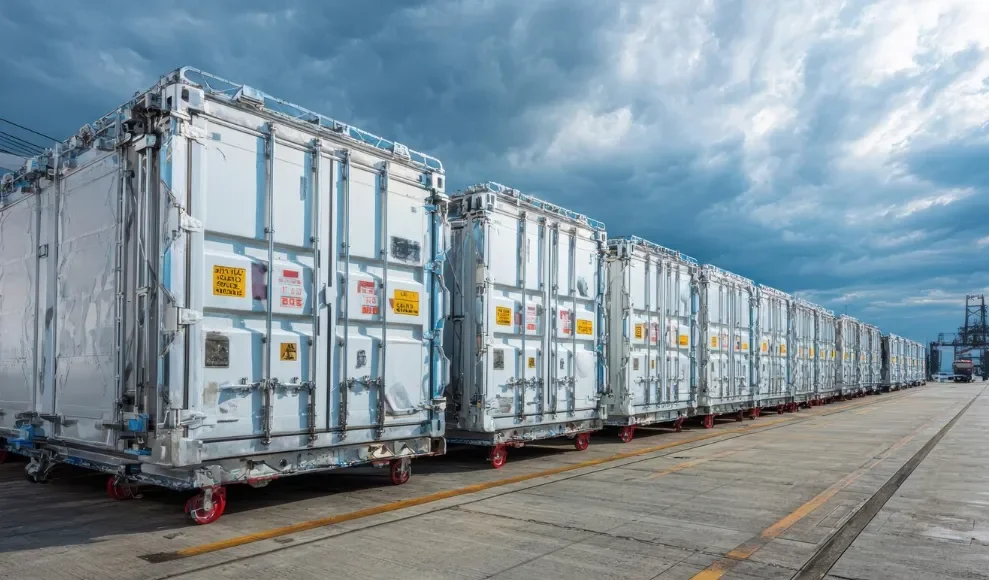
Intermediate Bulk Containers Are an Industrial-grade Solution Designed
Intermediate Bulk Containers are an industrial-grade solution designed for the storage and transportation of liquids, solids, and semi-solids. Typically manufactured from high-density polyethylene or stainless steel, these containers span a capacity range from 275 to 330 gallons, striking an optimal balance between storage efficiency and ease of handling. The cuboidal design facilitates stacking, ensuring maximum utility of space during storage and transit. These containers are available in various specifications depending on the nature of the materials being transported. For chemicals, they often feature additional safety elements, such as vent caps and pressure-relief valves, to manage volatile substances.
Transporting chemicals involves managing risks associated with leaks, spills, and contamination. The structured design of intermediate bulk containers plays a pivotal role in minimizing these hazards. Their robust construction withstands the physical stresses of transport, while maintenance features such as easy draining and cleaning attributes ensure the purity of the contents throughout the journey. , these containers reduce the risk of cross-contamination due to durable, non-reactive materials that resist corrosion, preventing unintended chemical reactions during storage or transport.
Movement of Chemicals Is Governed by Strict International
The movement of chemicals is governed by strict international regulations due to the potential risks involved. Frameworks such as the United Nations recommendations on the Transport of Dangerous Goods and the European Agreement concerning the International Carriage of Dangerous Goods by Road set clear standards that containers must satisfy to safeguard public safety and the environment. Containers used for chemical transport are built to adhere to these specifications, offering seamless international interoperability. This compliance ensures they meet strict guidelines set by authorities, including rigorous testing for impact resistance, temperature control, and pressure retention.
Space maximization is a fundamental factor in reducing transportation costs. Intermediate bulk containers are specifically engineered to optimize space utilization in storage facilities and transit vehicles. Their uniform design allows for systematic stacking. The cuboid shape offers a clear advantage over cylindrical alternatives like drums, allowing for tighter packing with no wasted space. This enhances storage efficiency and results in significant cost savings on freight expenses.
When dealing with potentially hazardous chemicals, safety takes precedence. These containers offer multiple safety benefits, including anti-static materials to prevent spark generation that could ignite flammable substances. Customization options incorporate additional safeguards, such as tamper-evident seals and protective outer cages that guard against impact damage. Innovations in container design also prioritize environmental sustainability, with many modern versions constructed from recyclable materials. Some models feature sensors to monitor internal conditions, alerting operators to potential breaches in safety parameters and revolutionizing chemical transport logistics management.
For a neighbouring case, see Securing Temperature-Sensitive Biologics in MedTech Logistics.
Different Chemicals Require Specific Storage and Handling Conditions
Different chemicals require specific storage and handling conditions, and intermediate bulk containers provide the necessary flexibility. They are available in various materials suited to different chemical compositions, whether that requires stainless steel to prevent corrosion or specialist coatings to handle reactive compounds. Custom-sized valves and fittings ensure compatibility with diverse dispensing systems, allowing for smooth integration with existing facility infrastructure and reducing the time and resources spent on reconfiguration.