
 Nolan Brooks
Selling a Jacksonville home as-is can be a practical option when repairs, time constraints, financial concerns, or major life changes make a traditional listing difficult. However, selling as-is does not mean accepting the first offer or overlooking the property’s condition. Homeowners should compare realistic options and consider which approach best fits their timeline, risk tolerance, and expected net proceeds.
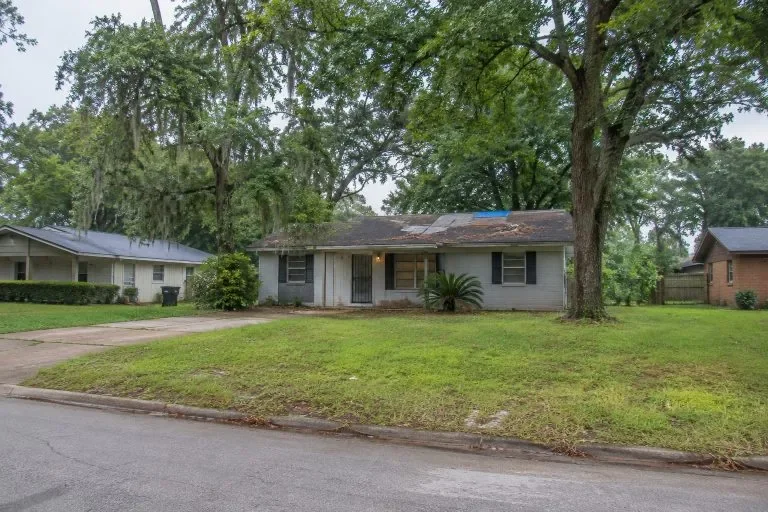
What Selling As-Is Really Means
An as-is sale generally means the seller does not agree to complete repairs before closing. It does not mean that the property has no problems, that a buyer cannot inspect it, or that a seller can withhold known information about significant defects. Honest disclosure and clear contract terms remain important.
Jacksonville homes can face issues that affect both value and buyer interest, including older roofs, aging air-conditioning equipment, moisture intrusion, drainage problems, storm wear, outdated electrical systems, and deferred maintenance. Insurance questions and loan requirements may also narrow the pool of buyers for a property needing substantial work. Local reporting on housing and affordability pressures in Northeast Florida also underscores why sellers should focus on ownership costs and buyer affordability rather than relying on outdated assumptions about the market.
Taking Stock of the Home’s Condition
Before deciding how to sell, create a straightforward inventory of what the home needs. You do not need to diagnose every issue yourself, but you should gather the facts available to you.
Note the roof’s approximate age, leaks, missing materials, and visible damage. Check the condition and service history of heating and cooling equipment. Identify known plumbing, electrical, septic, drainage, or water-intrusion concerns. Review any mold history, storm damage, open permits, code notices, liens, or unpaid taxes. Consider title, probate, mortgage, tenant, or divorce-related complications.
Take current photos, retain invoices and maintenance records, and obtain repair estimates for major items when possible. A pre-sale inspection is optional, but it can help a seller understand potential objections before a buyer raises them.
Three Ways to Sell
Repairing first may suit owners who have access to funds and enough time to manage contractors. Better condition can improve photographs, showings, and appeal to buyers who need financing. The trade-off is that repair projects can take longer than expected, cost more than estimated, and keep the owner responsible for mortgage payments, taxes, utilities, insurance, and upkeep while the home is being prepared and marketed.
An as-is listing can expose the property to a wider audience through the MLS while making clear that the seller does not plan to renovate. Accurate pricing and candid marketing matter. Buyers may still inspect the home, request credits, seek a lower price, or cancel during a contractual inspection period. Sellers should include likely expenses such as cleaning, listing preparation, concessions, closing costs, and agent compensation when comparing this route.
A direct buyer may be willing to purchase a home in its current condition, which can reduce showings, repair work, and uncertainty around buyer financing. In exchange, an offer may be below a repaired retail value because the buyer must account for repairs, resale costs, holding expenses, and risk. Compare the estimated amount remaining after all costs, not just the offer price shown at the top of a contract.
Running the Numbers
A simple worksheet helps prevent decisions based solely on a high list price or a fast closing date. For a traditional or as-is listing, calculate expected sale price, minus repair and improvement costs, minus cleaning, landscaping, staging, moving, and listing expenses, minus mortgage payments, property taxes, utilities, insurance, and maintenance during the expected wait, and minus buyer concessions and closing expenses to reach estimated net proceeds.
Then compare that figure with a direct offer after confirming who pays closing costs and whether any fees can be deducted. A vacant home or a home with active repair needs can become more expensive to hold over time, so speed can have real value in the final calculation.
Local Factors in Jacksonville
Florida heat, humidity, heavy rainfall, and exposure to storms can make maintenance issues more consequential. Flood zone questions, drainage, prior water damage, roof condition, and insurance availability may all be part of a buyer’s due diligence. Demand can also differ by location, whether the home is in Riverside, Arlington, Mandarin, the Westside, the Northside, or another Jacksonville area.
Buyer affordability and financing conditions can influence how long a retail listing takes and what concessions a buyer may request. Sellers may agree to help cover fees paid at the closing of a real estate transaction, a practice that is a useful reminder that realistic pricing matters, especially when a home needs work.
Vetting Buyers and Offers
Confirm the buyer’s legal business name, contact information, and role in the transaction. Ask whether the buyer plans to purchase the property or assign the contract to someone else. Request a written offer stating the price, fees, closing costs, earnest money, and target closing date. Ask which title company or closing agent will handle the transaction. Read inspection, financing, assignment, and cancellation contingencies carefully. Have a Florida real estate attorney, title professional, or trusted adviser review unclear terms. Avoid pressure to sign immediately or unexpected requests for upfront payment.
Common situations that may call for an as-is sale include an inherited property that needs cleanout, repairs, or probate coordination, a vacant home creating ongoing utility, insurance, tax, and maintenance bills, a rental property with difficult tenant circumstances or declining returns, a home with storm-related damage or substantial deferred maintenance, or a relocation, divorce, foreclosure concern, or financial deadline.
Before accepting any offer, ask what the estimated net amount is after all costs, whether the buyer can provide proof of funds, if the buyer can reduce the price after an inspection, whether the closing date is firm or dependent on contingencies, if unwanted furniture or personal property need to be removed, and whether title issues, liens, taxes, permits, or code concerns are likely to delay closing.
There is no single best way to sell every Jacksonville home. A repaired listing may generate stronger buyer interest, while an as-is listing or a direct sale may reduce work and provide greater certainty. Make the decision by comparing likely net proceeds, repair demands, time, contractual risk, and personal priorities. A clear comparison is more useful than focusing on speed or price alone.