
 Maya Collins
Most rework on online CNC orders traces back to an incomplete brief, not bad machining. Send every supplier the same complete package: a matching 3D model and drawing, exact material grade, critical tolerances, finish requirements, quantity, and inspection expectations. Then approve the first parts against those measurable requirements.
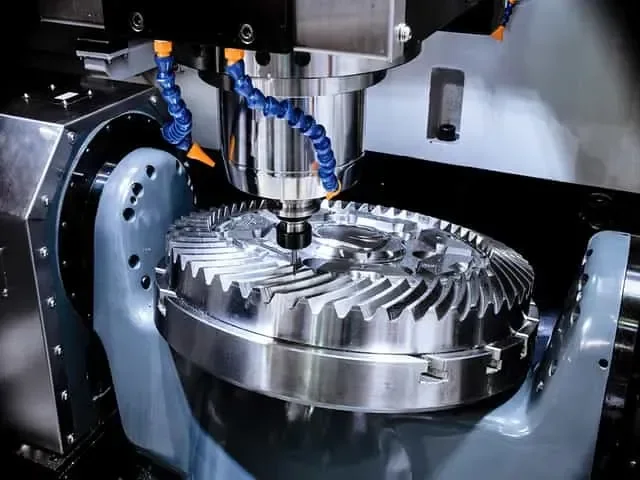
Uploading a file is easy. Getting a part that fits the first time takes a few decisions before production starts.
Diagnosis: Where Online CNC Orders Go Wrong
CNC machining removes material with programmed equipment. Milling cuts features into blocks of metal or plastic. Turning suits round parts like shafts. Online platforms move file upload, quoting, and communication into one workflow. Some price automatically from your CAD geometry; others have an engineer review the drawing first.
Either way, look past the upload screen. Ask who reviews your requirements, who actually makes the parts, and who owns quality problems if they come up.
Step 1: Build a Complete File Package
A 3D model defines geometry. A drawing covers what geometry can’t: threads, surface conditions, datums, and inspection requirements. Send both whenever those matter, in the formats the supplier asks for. STEP files for the model and a PDF drawing are widely accepted.
- Current CAD model and matching drawing
- Part number, revision, and units
- Material grade and any required condition
- Quantity and expected repeat demand
- Finish requirements and cosmetic surfaces
- Inspection documents and delivery expectations
Make sure the model and drawing agree. Moving a hole in the model but not on the drawing creates a conflict. Decide which document controls each requirement before the supplier starts.
Building this package once pays off twice. It makes quotes from different manufacturers directly comparable, and it becomes the reference you reorder from, so the next batch matches the last one.
Step 2: Specify the Exact Material
“Aluminum” or “steel” is too vague. State the grade if it’s chosen. If not, describe operating conditions and ask the supplier to propose options for engineering approval:
- Heat, moisture, or chemical exposure
- Repeated assembly or sliding contact
- Whether weight, appearance, or electrical behavior matters
Get any substitution in writing. If you need traceability, say which documents must ship with the batch. For prototypes, confirm the material actually represents production.
Step 3: Review Manufacturability Before Approving the Quote
Deep, narrow pockets and features beside tall walls can cause cutter deflection. Excessive thread depth makes chip evacuation and cutting forces harder, as machining guidance from suppliers such as Protolabs points out. Ask the supplier to check tool access. See whether internal corner radii, pocket depth, or thread length can change without affecting function.
Take a small electronics housing. It must clear the circuit board, but its internal corners also need to suit the cutter. Review both together to avoid a late redesign.
Step 4: Set Tolerances Where Function Demands Them
A bearing seat, locating feature, or sealing face may need tight control. An external surface with no mating part usually doesn’t. Mark critical dimensions and reference features on the drawing, and use a recognized standard such as ASME Y14.5 for geometric callouts. Ask the supplier to confirm what they can achieve on those features. Capability varies by geometry, material, equipment, and process.
State whether dimensions apply before or after surface treatment. That gives inspectors a clear basis for acceptance.
Step 5: Treat Finish as Two Requirements
Functional roughness and cosmetic appearance are separate. A part can meet the roughness spec and still show tool marks a customer dislikes. Improving as-machined roughness may add operations and cost. Mark cosmetic faces, state treatment, color, or texture, and ask how threads and mating areas will be protected. For visible products, agree on a reference sample.
Comparing Quotes Fairly
| Check | Question to ask |
|---|---|
| Scope | Are programming, fixtures, material, finishing, inspection, packaging, and shipping included? |
| Repeat pricing | What are the quantity breaks, and do setup or fixture charges recur? |
| Revisions | What happens to price and timing if a drawing change alters the process? |
| Lead time | Does the clock start at payment, drawing approval, material arrival, or sample sign-off? Is transit separate? |
Sorting Out Fit, Revision and Finish Disputes
Parts arrive and don’t fit
Measure the failed features with calipers or have them checked on a CMM, then compare against the controlling drawing revision. Tie every discrepancy to a specific callout before asking for a remake.
Wrong revision machined
Keep one approved file package per part and confirm the revision on each order. Document the agreed correction and which revision governs next time.
Finish rejected on looks
Without a reference sample, appearance disputes become opinion. Agree on acceptable marks and edge conditions up front.
First-Order Checklist
- Agree on the inspection report and sample quantity in advance.
- Test parts in the real assembly: fit, fastener engagement, finish.
- Record accepted results with the final manufacturing files.
- Choose suppliers who explain constraints and document exceptions.